Qazan Tatars - Volga Bulgars 🎻 Tatar song
Июль 7, 2013
Kazan TATARS / Volga BULGARS. Kazan Tatar song "Tugan yak" (NATIVE COUNTRY). Republic of Tatarstan of Russian Federation. Music and culture of Kazan Tatars. Tatarstan is one the most powerful republics of Russia with the great degree of autonomy. Kazan Tatars, formerly known as Bulgars (Bulghars) speak Turkic language of Qipchak group, very similiar to Crimean Tatar (spoken in south Ukraine), Nogai (ancient Cumans of south Ukraine and of Hungarian puszta / Kunsag province), Turkish, Kazakh, Bashqir, Azeri, Uzbek. Unlike Turks, Tatars use Cyrillic script. Most of Volga Tatars are Moslems but many are Orthodox Christians.
————————————————————————————
As a nation, Kazan Tatars are a great mixture of peoples (they say the very name "Bulgar" means "mixed") and officially consist of two major subgroups:
1-st subgroup of Volga Tatars: western Mishars (Mazhars-Meshchera) — remnants of turko-ugric Magyars (Magyars were originally Turkic tribe from north Kazakhstan who mixed with Ugrians coming from northerly Perm region). These Mishars also absorbed a number of local warlike scytho-sarmatian Burtasses (Beehive Alans / Ossetians) and Suasses (River Alans / Ossetians) who lived along Volga basin — that's why they have a lot of paternal R1a group. The dominant were Turkic (Qipchak) speaking Magyar tribe (Magyar tribe of north Kazkahstan are quite mongoloid) and their language is a modern western Tatar (Mishar) dialect. 80% of Tatars who live in Moscow are mainly Mishars. Mishars also have some admixture from Volga Finns (Mordvin related tribe) evident in birch-shoes / birch weaven artefacts.
2-nd subgroup of Volga Tatars: eastern Kazan Tatars (Bulgars proper) who are the dominant group. It is believed that Bulgars were originally also a Scytho-Sarmatian tribe, later tatarized / turcosized. Thats why many Tatars have pure European look and paternal R1a goup (Tatar women clothing is very similiar to Gilakis of north Iran and Lemkos of Ukraine, all of same scytho-sarmatian stock), while others have mongoloid features (from invading Ugrian & Turco-Magyar tribes in 8th cen., and later again 12th cen from powerful Mongol invasion who formed Golden Horde centered on Volga.
——————————————————————————————————————
Modern Russia (originally Muscovite tsardom) is often regarded as successor of Golden horde politically. But ethnically and genetically just Russians of Ivanovo and Ryazan regions (historic Meshchera, original home of Mishar Tatars) are related to Mishar Tatars (and Hungarians themselves, having the most similar genetic Slavic-Mishar pool).
Modern Hungary, however was inhabited by Slavic tribes (Great Moravia) before arrival of turco-ugrian Magyars (Mazhars) from Volga, these Pannonian Slavs never moved but became part of Hungarian nation. Thats why they look European.
Similiar case was in Bulgaria where Volga Bulgars settled too mixing with Slavs and adopting their language. Otherwise said -original Bulgarians are related to eastern Tatars (Bulgars), while original Hungarians are related to western Tatars (Mishars / Mozhars).
Ukrainains too absorbed much of Qipchak culture by assimilating Torks (bearers of Ukrainian last name Torchenko are clear mongoloids) and many Cumans (much evident in cossack culture) related tribes of Qipchak tongue, as Ukrainian Crimean Tatars speak same Qipchak tongue as Kazan Tatars).
That is why light mongoloid features are found among many Ukrainians, Hungarians, Russians.
—————————————————————-
Paternal genetics: Tatars have haplogroups I, J2, G and plenty of R1a (Scytho-Sarmatian / East Slavic) and even L. ПІДТРИМАЙ МІЙ ПРОЕКТ!
YOUR SUPPORT WILL BE HIGHLY APPRECIATED. SUPPORT MY PROJECT HERE:
https://www.patreon.com/zakharii
4659 193
761,953 просмотров

Kazan Tatars 🎻 Bulgars 🎺 Volga Tatars
Kazan Tatars / Volga Tatars. Kazan Tatar song "Tuhan yak". Republic of Tatarstan of Russian Federation. Music and culture of Kazan Tatars. Tatarstan is one the most powerful republics of Russia with the great degree of autonomy. Kazan Tatars, formerly known as Bulgars (Bulghars) speak Turkic language of Qipchak group, very similiar to Crimean Tatar (spoken in south Ukraine), Nogai (ancient Cumans of south Ukraine and of Hungarian puszta / Kunsag province), Turkish, Kazakh, Bashqir, Azeri, Uzbek. Unlike Turks, Tatars use Cyrillic script. Most of Volga Tatars are Moslems but many are Orthodox Christians.
————————————————————————————
As a nation, Kazan Tatars are a great mixture of peoples (they say the very name "Bulgar" means "mixed") and officially consist of two major subgroups:
1-st subgroup of Volga Tatars: western Mishars (Mazhars-Meshchera) — remnants of turko-ugric Magyars (Magyars were originally Turkic tribe from north Kazakhstan who mixed with Ugrians coming from northerly Perm region). These Mishars also absorbed a number of local warlike scytho-sarmatian Burtasses (Beehive Alans / Ossetians) and Suasses (River Alans / Ossetians) who lived along Volga basin — that's why they have a lot of paternal R1a group. The dominant were Turkic (Qipchak) speaking Magyar tribe (Magyar tribe of north Kazkahstan are quite mongoloid) and their language is a modern western Tatar (Mishar) dialect. 80% of Tatars who live in Moscow are mainly Mishars. Mishars also have some admixture from Volga Finns (Mordvin related tribe) evident in birch-shoes / birch weaven artefacts.
2-nd subgroup of Volga Tatars: eastern Kazan Tatars (Bulgars proper) who are the dominant group. It is believed that Bulgars were originally also a Scytho-Sarmatian tribe, later tatarized / turcosized. Thats why many Tatars have pure European look and paternal R1a goup (Tatar women clothing is very similiar to Gilakis of north Iran and Lemkos of Ukraine, all of same scytho-sarmatian stock), while others have mongoloid features (from invading Ugrian & Turco-Magyar tribes in 8th cen., and later again 12th cen from powerful Mongol invasion who formed Golden Horde centered on Volga.
——————————————————————————————————————
Modern Russia (originally Muscovite tsardom) is often regarded as successor of Golden horde politically. But ethnically and genetically just Russians of Ivanovo and Ryazan regions (historic Meshchera, original home of Mishar Tatars) are related to Mishar Tatars (and Hungarians themselves, having the most similar genetic Slavic-Mishar pool).
Modern Hungary, however was inhabited by Slavic tribes (Great Moravia) before arrival of turco-ugrian Magyars (Mazhars) from Volga, these Pannonian Slavs never moved but became part of Hungarian nation. Thats why they look European.
Similiar case was in Bulgaria where Volga Bulgars settled too mixing with Slavs and adopting their language. Otherwise said -original Bulgarians are related to eastern Tatars (Bulgars), while original Hungarians are related to western Tatars (Mishars / Mozhars).
Ukrainains too absorbed much of Qipchak culture by assimilating Torks (bearers of Ukrainian last name Torchenko are clear mongoloids) and many Cumans (much evident in cossack culture) related tribes of Qipchak tongue, as Ukrainian Crimean Tatars speak same Qipchak tongue as Kazan Tatars).
That is why light mongoloid features are found among many Ukrainians, Hungarians, Russians.
—————————————————————-
Paternal genetics: Tatars have haplogroups I, J2, G and plenty of R1a (Scytho-Sarmatian / East Slavic) and even L. ПІДТРИМАЙ МІЙ ПРОЕКТ!
YOUR SUPPORT WILL BE HIGHLY APPRECIATED. SUPPORT MY PROJECT HERE:
https://www.patreon.com/zakharii
748 34

Altai Kai - Baatyrdyñ Soozi
4716 68

Гаухартас- "Казагым-ай" (клип 2015)
Первый клип Казахстанской эстрадной группы "Гаухартас"
Продюсер: Алмас Алтынбеков
Музыкальный продюсер: Молдир Ауелбекова
Директор: Азамат Алтынбеков
Состав квартета: Мусаханова Гулим, Айганым Баймуратова, Абдуалиева Асем, Канатова Арай
Создание клипа на Двухлетие группы 21.10.2015
34460 1556
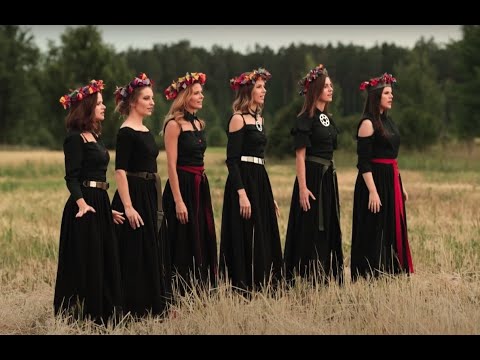
Tautumeitas - Raganu Nakts
Jāņu nakts ir dabas ziedēšanas laiks. Šai naktij piemīt spēcīga auglīgā enerģija, kas virmo gan gaisā, gan cilvēkos. Šajā naktī iespējams izmainīt apziņu, ejot spīganās/raganās.
Grupa TAUTUMEITAS:
Asnate Rancāne
Aurēlija Rancāne
Laura Marta Līcīte
Laura Liepiņa
Lauma Bērza
Ilona Dzērve
Mūzika — latviešu tautas mūzika, Tautumeitas
Vārdi — latviešu tautasdziesma
Aranžējums — Tautumeitas, Reinis Sējāns
Skaņu inženieris — Reinis Sējāns
Mikss — Gatis Zaķis
Kamera — Gatis Indrēvics
Montāža — Artis Līcītis, Laura Marta Līcīte
Producents — Tautumeitas
Vienīgais koncerts Rīgā — 28. septembrī koncertzālē Palladium.
Biļetes ekase.lv.
33611 1202

Tatar song. Дамира Саетова - Эзлэдем-табалмадым
Производство: RI Production 2003 г. Уфа
Татарская песня! Татар йыры :)
2818 127

Cimmerians, Scythians, Huns, Alans, Avars, Bulgars and Others - Ancient Turkic Peoples
Ancient historians such as Pomponius Mela and Pliny the Elder refer to Turks around ancient Taurica (Crimea) and north of Azov with the names of Turcae, Tyrcae (first century AD) on their maps: https://goo.gl/WGjxkr
—-
Reference to Turcae in the forests north of Azov Sea on the WORLD MAP of Pomponius Mela: https://s26.postimg.cc/8eknyft3t/AD100_TURCAE.jpg
—-
Great ancient historian Herodotus also refers to Targitas [Tarkutay] and Tyrcai (falsely transliterated as "Iyrcai" as both Pomponius Mela refers to the name Turcae and Pliny the Elder refers to the Tyrcae separately) in the same area (BC 400s-500s).
—-
Hebrew Bible and Torah refer to Turks as sons of Togarmah, Ashkenaz (Scythians), Gomer (Cimmerians) and Japheth, Targitai may related to Togarmah. Judaic Turkic Khazars referred themselves as sons of Japheth, Gomer, Togarmah (sons of Noah) as also mentioned in Hebrew Bible and Torah. Interestingly, similar to "torah" name, "töre" means “custom, law, statute, tradition” in Turkic languages: https://en.wiktionary.org/wiki/töre
https://en.wikipedia.org/wiki/Togarmah#Jewish_traditions
—-
According to Procopius, Cimmerians were ancestors of Oghur Turks (Bulgars, Khazars, Avars etc.): https://tr.wikipedia.org/wiki/Kimmerler#Kökenleri Hurrians are Oghurs. Sumerians are Sabir (Subar) Turks: https://en.wikipedia.org/wiki/Sabir_people and Subartu, Sumer and Hurrians, Urartu were related:
https://en.wikipedia.org/wiki/Turukkaeans
—-
Ancient & Medieval Greek, Chinese sources always mentioned Scythians, Sarmatians, Cimmerians, Turks (Avar, Bulgar, Khazar, Uz/Oghuz, Pecheneg, Cuman etc.), Hungarians (as Turks) together, linguistically and culturally. Ancient & Medieval Greeks always called Turks as Scythians multiple times, they even had military units named Skythikon which consists Turkic mercenaries from Eurasian steppes: http://www.twcenter.net/wiki/Skythikon_(M2TW_Unit)
—-
Sometimes Russian, Arab and other various sources mentioned Turks and Magyars with Scythians, Sarmatians. Ancient Chinese sources mentioned Alans for multiple times as one of Turkic tribes, generally with the name “Yancai” which means "vast fields", interestingly, in Turkish, "field" means "alan", which is an etymologically original Turkic word.
The Türk word “alan”: https://translate.google.com/#tr/en/alan
Etymology of the Türk word “alan”: https://en.wiktionary.org/wiki/alan#Turkish
—-
These and more are well-known by Turks but I'm sharing limited number of English links about Turkic antiquity for everyone.
—-
https://en.wikipedia.org/wiki/Asena#Legend
"...The legend of Asena tells of a young boy who survived a battle; a female wolf finds the injured child and nurses him back to health..." "... These first Turks were akin to the Scythians..."
https://en.wikipedia.org/wiki/Ashina#Origins_and_legends
(Feel the strong pathetic struggle to show origins of these pure Turks, non-Turkic)
https://tr.wikipedia.org/wiki/Usun
(Gök-Türks are Ashina, Ashina is Usun, Usun is Saka/Massaget, and Saka is Scythian/Sarmatian — Turkic Ashina are rulers of Turkic empires of Khazars, Bulgars, Gök-Türks, Huns, Scythians, so that's what the struggle is about)
https://en.wikipedia.org/wiki/Asen_dynasty
(Asen dynasty of Turkic Bulgars)
Asena epos of Turks in Etruscans who created and developed the Roman civilization: https://en.wikipedia.org/wiki/Capitoline_Wolf
"...The Capitoline Wolf (Italian: Lupa Capitolina) is a bronze sculpture of the mythical she-wolf suckling the twins..."
https://en.wikipedia.org/wiki/Etruscan_civilization#Origins
"... The Etruscans called themselves Rasenna..." (It's actually "Er-Asena" which means "Asena's men").
https://en.wikipedia.org/wiki/Sumerian_King_List#Dynasty_of_Isin
Sumerian dynasty of Isin, may be related to Asin (Asena).
Their first king's name was Ishbi-Erra which lived around 1950 BCE: https://en.wikipedia.org/wiki/Ishbi-Erra
Interestingly, after 2500 certain years later, a Turkic khagan bore the same Turkic name: https://en.wikipedia.org/wiki/Ishbara_Qaghan around 550 AD. Ishbara means "selfless, devoted, diligent".
—-
622 157

България и Удмуртия, сходни но различни 2016г. Москва на Български език!
"Медиа Мост България" при подкрепата на НПО Що е, Маке се е Юнак-Българи Юнаци! представя на Български език, Стара Велика България: България и Удмуртия, сходни но различни 2016г. Москва!
"О, неразумни юроде! Защо се срамуваш да се наречеш българин и не четеш, и не говориш на своя език? Или българите не са имали царство и държава? Да си Българин е гордост, да си Българка е чест, да си роден в България не е лош късмет, а истинско щастие. НПО Що е Маке, се е Юнак-Българи Юнаци — призовава всички Български родолюбиви организаций в чужбина и страната за обединяване, нашият призив към всички Вас е СИТЕ КОМИТИ ЗАЕДНО!
Ние от НПО "Що е Маке, се е Юнак-Българи Юнаци" Разбираме света единствено като поле за културно съревнование между народите. Гоце Делчев, българския революционер и национален герой.
Удмуртия е субект в състава на Руската Федерация. Граничи с Кировска област, Пермски край, Башкортостан и Татарстан. Удмуртската република е част от Приволжския федерален окръг и Уралския икономически район на Руската Федерация. Разположена е в европейската част на Русия, западно от Урал, между реките Кама и Вятка. В Удмуртия има богати находища на нефт, оценявани на 820 милиона тона (данни от 2002 г.). Годишно се добиват по около 7-8 милиона тона, повечето – за износ. Над 40% от територията на страната е покрита с гори. По данни от 2001 г„ населението е 1 570 316 души, което е 1, 08% от Руската Федерация (28-мо място). Урбанизацията е 69, 60%.
Удмуртите са народ от угро-финска група народи. Голяма част от населението на републиката са руснаци — 53, 3%. Значителни малцинства са татарите (109 218=6, 96%), украинците (11 527=0, 73%) и марийците (8 985 души). Малцинствата обаче са силно асимилирани от удмуртците. Официални езици са удмуртски и руски език. Освен православните християни в Удмуртия има и привърженици на шаманизма. Административно Удмуртия се дели на 25 района: Алнашски; Балезински; Вавожски; Воткински; Глазовски; Граховски; Дебески; Завяловски; Иг-рински; Камбарски; Каракулински; Кезски; Кизнерски; Киясовски; Красногорски; Малопургински; Можгински; Сарапулски; Селтински; Сюмсински; Увински; Шаркански; Юкаменски; Яшур-Бодински; Ярски.
Стара Велика България е ранносредновековна държава с владетел Кубрат, съществувала около 30 г. след 632 г. в зоната на северното Причерноморие — днешна Украйна и Южна Русия. В някои източници Фанагория се сочи като столица на държавата. Тя представлява военно-племенен съюз на прабългарите и сродните им племена, дотогава подчинени на Аварския и Западнотюркския хаганат при граници: на изток — река Кубан, на юг — Азовско и Черно море (без южен Крим), на запад — река Днепър, на север — река Донец.
Основните източници за историята на Велика България са хрониките на Йоан Никиуски от 6 век и по-късно на патриарх Никифор и Теофан Изповедник, писани в началото на IX век, като се предполага, че и двете са използвали общ по-ранен първоизточник. Края на 6 век протобългарите образуват начело с Органа (Орхана) т. нар. „Велико българско царство“ на територията на реките Дон и Волга със столица Фанагория, което на запад е влияно от аварите и на изток от западния тюрк (кок-тюрки) Тардус. Орхан като оногур-хун има традиционно още „остригана глава“, но днес се смята за първият княз на „протобългарите“. Техният владетелски списък води обаче много назад и Ернак (синът на Атила) се смята за основател. Кан Органа застава около 610 г. начело на българското племе Утигури и през 617 г. успява да обедини Утигурите с другото българско племе Кутригури. През 619 г. Органа отива в Константинопол и сключва военно политически съюз с Византия. През 628 г. Органа и племенникът му Кубрат от рода Дуло възстават против Аварския Каганат. През 629 г. те се освобождават, но все още са зависими от Западнотюркския хаганат. През 632 г. Оногурия се отделя от Западнотюркския каганат и като владетел остава Кубрат, който според Йоан Никиуски, през юношеските си години е израсъл в Константинопол и е покръстен като дете, и е „приятел“ на тогавашния византийски император.
За "Медиа Мост България и Четвърта Власт от Русия, Москва Борис Анзов
215 10

TURKCAN - Türkün Bayrağı, Anayurt Marşı
Project author & director: Rubail Azimov (Azerbaijan)
General manager: Shahriyar Musayev (Azerbaijan)
Managers: Ercan Tasdemir (Turkey)
Ildar Shakir (Bashkortostan)
Akerke Tazhibayeva (Kazakhstan)
Otabek Yusupov (Uzbekistan)
Arrangement: Rubail Azimov (AZIRU Music)
Production Support: Gala Media Group
Logo: Faig Jabrailov
____________________________________________
Çırpınırdın Karadeniz
Lyrics: Ahmed Javad
Mus: U. Hajibekov
Çırpınırdı Karadeniz
Bakıp Türk'ün bayrağına
Ah ölmeden bir görseydim
Düşe bilsem toprağına
Sırmalar sarsam koluna
inciler dizsem yoluna
Fırtınalar dursun yana
Yol ver Türk'ün bayrağına.
Ayrı düştüm dost elinden
Yıllar var ki çarpar sinem
Vefalı Türk geldi yine
Selam Türk'ün bayrağına.
Kafkaslar'dan esen yeller
Şimdi sana selam söyler
Olsun bütün Turan eller
Kurban Türk'ün bayrağına.
Kafkaslar'dan aşacağız
Türklüğe şan katacağız
Türk'ün şanlı bayrağını
Turan ele asacağız.
——————————————————-
Anayurt marşı
M.Sabir Karger
Özbek, Türkmen, Uygur, Tatar, Azer; bir boydur.
Karakalpak, Kırgız, Kazak; bunlar bir soydur.
Özbekistan, Türkmenistan diye kurmuşlar.
Anayurdum Türkistan'ı bölüp koymuşlar.
İnanmayın, aldanmayın ey Türk yiğitler.
Kırk yüz yıllık geçmişleri var olan Türkler.
Özbek, Türkmen, Uygur, Tatar, Azer; bir boydur.
Karakalpak, Kırgız, Kazak; bunlar bir soydur.
Türkistan, Kafkasistan ey güzel yurdumuz.
Sana kurban olalım hey anayurdumuz.
Özbek, Türkmen, Uygur, Tatar, Azer; bir boydur.
Karakalpak, Kırgız, Kazak; bunlar bir soydur.
89885 2883
